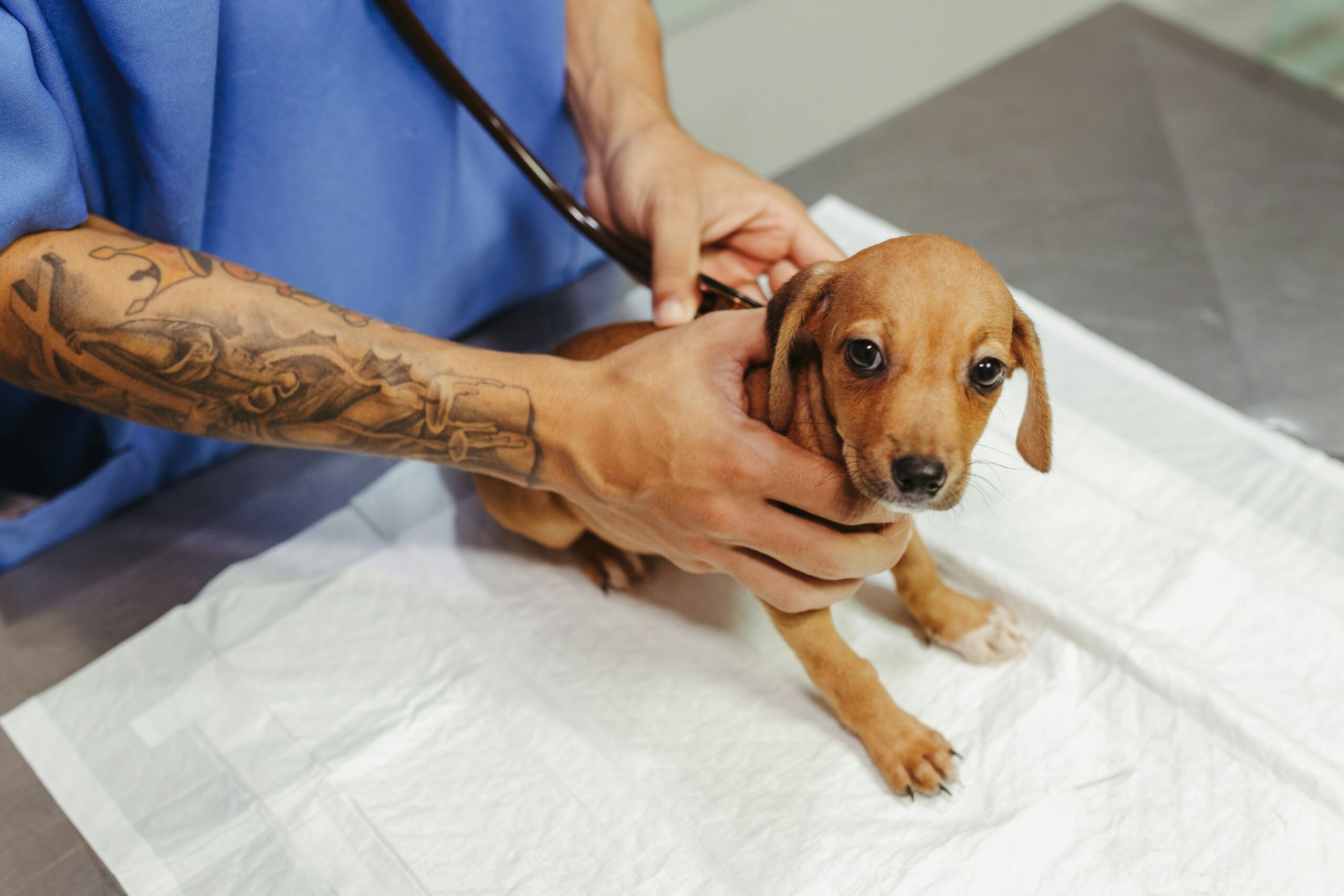
Understanding Preventing Animal Abuse in Healthcare
Preventing animal abuse in healthcare is a growing concern across the United States. Animals play many roles in healthcare settings. They are used in research, therapy programs, training, and support services. These roles can help humans, but they also carry risks for animals. Abuse can happen through neglect, poor handling, or weak oversight. Advocacy works to reduce these risks and protect animal well being.
Animal abuse in healthcare does not always look violent. It can involve long hours without rest, unsafe housing, painful testing, or lack of proper care. These actions may not be intentional, but they still cause harm. Advocacy helps bring these issues to light. It pushes for better rules, better training, and stronger accountability.
Why Advocacy Matters in Healthcare Settings
Advocacy for preventing animal abuse in healthcare gives animals a voice. Animals cannot speak for themselves. People must speak for them. Advocates include healthcare workers, researchers, policy leaders, and everyday citizens. Their shared goal is to improve how animals are treated in medical spaces.
Healthcare systems are complex. Many departments work at once. Without strong advocacy, animal care can become a low priority. Advocates remind leaders that ethical care matters. Humane treatment improves outcomes for both animals and humans. It also builds public trust in healthcare institutions.
Common Forms of Animal Abuse in Healthcare
Animal abuse in healthcare can take many forms. One common issue is poor living conditions. Animals may be kept in small spaces with little comfort. Another issue is lack of pain control during procedures. Pain relief may be delayed or ignored.
Overuse of animals in research is another concern. Some tests repeat old studies with little value. Others continue even when alternatives exist. Therapy animals may face stress from long shifts or crowded spaces. Advocacy helps identify these problems and push for change.
The Role of Healthcare Professionals
Doctors, nurses, and technicians play a key role in preventing animal abuse in healthcare. They often work closely with animals and see problems first. When trained well, they can spot signs of stress or harm early.
Healthcare professionals can speak up through internal reporting systems. They can also help create better care plans. Small actions matter. Simple steps like scheduling rest time for therapy animals can reduce harm. Advocacy begins with awareness and responsibility.
Education as a Tool for Change
Education is a powerful part of advocacy for preventing animal abuse in healthcare. Training programs can teach staff how to handle animals safely and kindly. Education also explains why humane care matters.
Students in medical and nursing schools benefit from early exposure to animal welfare topics. When respect for animals is taught early, it becomes part of professional culture. Clear guidelines and regular training keep standards high and consistent.
Laws and Policies That Protect Animals
Strong laws support efforts to prevent animal abuse in healthcare. Federal and state rules guide how animals are used in research and care. These laws set limits on testing, housing, and treatment.
Advocacy helps improve these laws. It pushes lawmakers to update rules as science advances. It also supports better enforcement. Laws only work when followed. Advocates track compliance and call out violations when needed.
Ethical Research and Humane Alternatives
Research is a major area of focus in preventing animal abuse in healthcare. Ethical research uses animals only when necessary. It follows strict care standards and reviews each study carefully.
Many humane alternatives now exist. Computer models, lab grown tissues, and advanced imaging reduce the need for animal testing. Advocacy encourages funding for these methods. When alternatives grow, animal use declines, and suffering decreases.
Therapy Animals and Patient Care
Therapy animals help patients heal. They reduce stress, lower blood pressure, and offer comfort. Still, these animals need protection too. Preventing animal abuse in healthcare includes setting clear limits for therapy programs.
Advocates support rules on work hours, rest breaks, and training. Therapy animals should enjoy their work and not feel forced. Proper care ensures these programs remain ethical and effective.
Community Voices and Public Awareness
Public awareness drives change. When communities understand animal abuse in healthcare, they demand better practices. Advocacy groups share stories, research, and data to inform the public.
Social media, events, and campaigns spread awareness quickly. Clear and simple messages help people understand the issue. Public support pressures institutions to act. Transparency builds trust and accountability.
Technology and Monitoring Systems
Technology supports advocacy for preventing animal abuse in healthcare. Cameras, sensors, and digital records help monitor animal care. These tools track feeding, movement, and health signs.
When problems arise, data provides evidence. Monitoring systems also prevent abuse before it happens. They support staff and reduce errors. Technology works best when combined with strong ethics and training.
The Role of Nonprofit Organizations
Nonprofit groups lead much of the advocacy work. They research issues, support policy changes, and provide education. Many nonprofits partner with hospitals and labs to improve standards.
These groups also offer resources for reporting abuse. They protect whistleblowers and ensure concerns are addressed. Their work keeps animal welfare visible and valued.
How Patients and Families Can Help
Patients and families can support preventing animal abuse in healthcare. They can ask questions about therapy programs and research practices. They can choose providers who follow strong ethical standards.
Support for advocacy groups also matters. Donations, volunteering, and sharing information all help. Small actions add up and create lasting change.
Building a Culture of Compassion
Culture shapes behavior. A healthcare culture that values compassion protects animals. Leadership sets the tone. When leaders support humane care, staff follow.
Regular reviews, open discussions, and clear policies build this culture. Compassion improves morale and care quality. It benefits animals, staff, and patients alike.
Future Directions for Advocacy
The future of advocacy for preventing animal abuse in healthcare looks promising. Science continues to offer new alternatives. Public awareness keeps growing. Laws become stronger over time.
Still, work remains. Advocacy must adapt to new challenges. Ongoing education, research, and collaboration are key. Progress depends on shared responsibility and steady effort.
A Shared Responsibility for Humane Care
Preventing animal abuse in healthcare is a shared responsibility. Every role matters. From policymakers to caregivers, each voice counts. Advocacy connects these voices into a powerful force for good.
By choosing compassion and accountability, healthcare can lead by example. Humane care is not optional. It is essential. When animals are protected, healthcare systems become stronger, more ethical, and more trusted by all.