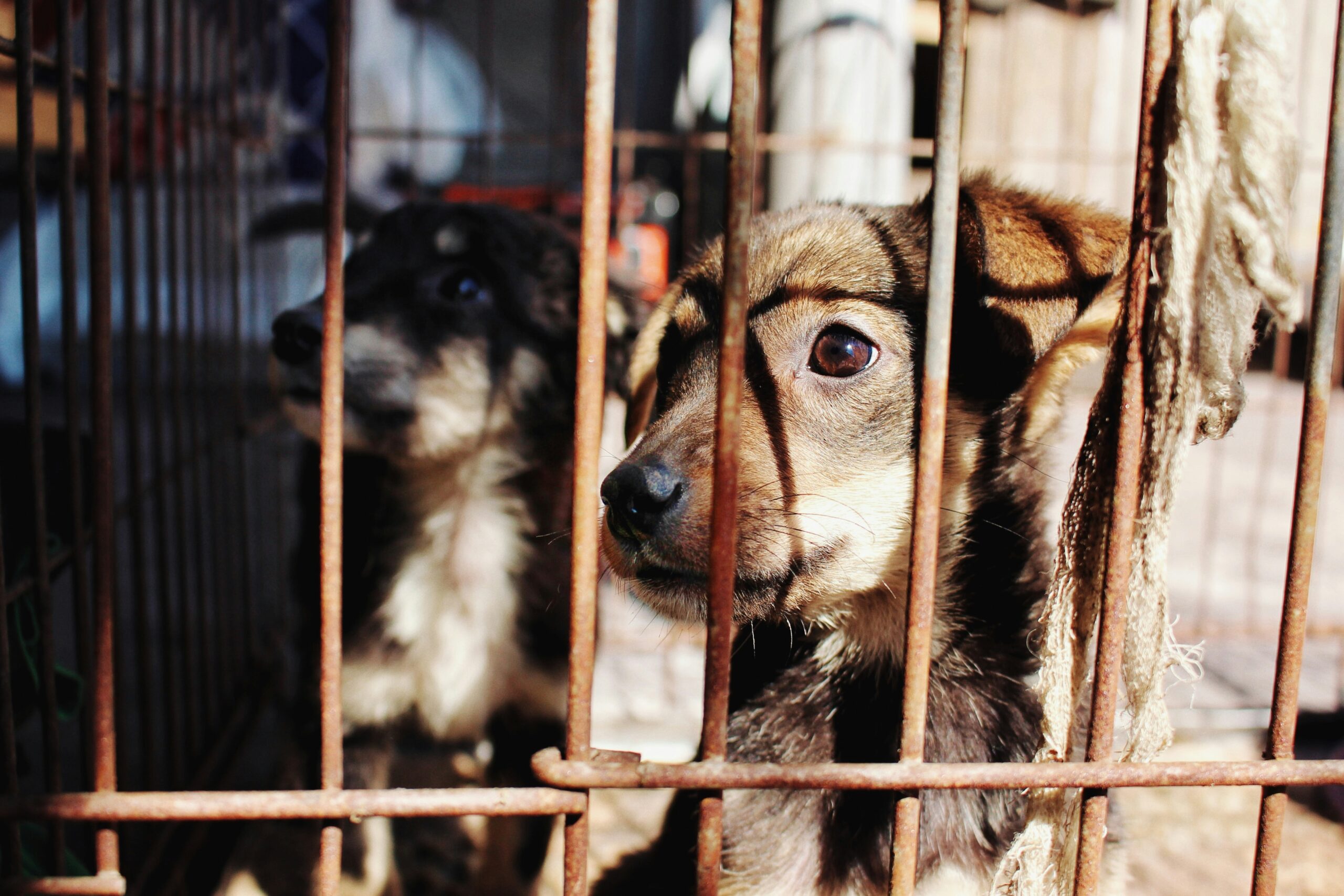
Animal abuse is a serious problem that affects millions of animals each year. It happens in homes, farms, streets, and even online spaces. Many people feel upset when they hear about cruelty, yet they may not know how to help. Breaking the chain of animal abuse starts with awareness, action, and care. When people take a stand, real change becomes possible.
This article explains what animal abuse is, why it happens, and how anyone can help stop it. Small steps, when taken together, can protect animals and build a kinder world.
Understanding What Animal Abuse Really Means
Animal abuse is any action that causes pain, fear, or harm to an animal. It can be physical, emotional, or caused by neglect. Physical abuse includes hitting, burning, or overworking animals. Neglect happens when animals lack food, water, shelter, or medical care.
Some forms of animal abuse are easy to see. Others are hidden. Animals kept in tiny cages or left alone for long hours also suffer. Abuse can happen to pets, farm animals, wildlife, and stray animals. Knowing the signs helps people speak up when something is wrong.
Why Animal Abuse Continues to Happen
Animal abuse continues for many reasons. Some people lack education about animal care. Others see animals as property, not living beings. Poverty can also play a role, especially when people cannot afford proper care.
In some cases, abuse is linked to anger or control issues. Studies show that animal abuse can be a warning sign of violence toward people. When society ignores cruelty to animals, it allows harm to grow. Ending animal abuse means addressing these root causes with patience and clear action.
The Emotional Cost of Animal Abuse
Animals feel pain, fear, and stress. They form bonds and trust humans. When that trust is broken, the damage runs deep. Abused animals often show fear, shaking, or silence. Some become aggressive because they are scared.
The impact does not stop with animals. Witnessing animal abuse can affect children and adults. It can cause sadness, anger, and helplessness. Communities that protect animals often feel safer and more connected. Caring for animals supports emotional health for everyone.
How Laws Help Fight Animal Abuse
Laws play a key role in stopping animal abuse. Many states now treat severe cruelty as a felony. These laws allow stronger punishment and better protection. Reporting animal abuse helps authorities act before harm gets worse.
Still, laws only work when people use them. Many cases go unreported because people fear getting involved. Learning local laws and reporting concerns can save lives. Protecting animals is a shared responsibility, not just a legal one.
Everyday Actions That Break the Chain
Anyone can help stop animal abuse through simple choices. Kind actions, when repeated, make a strong impact.
Speak Up When You See Abuse
If you see signs of animal abuse, report it to local animal control or a humane society. You do not need proof, just honest concern. Speaking up could save an animal from more harm.
Support Ethical Choices
Choose products that do not test on animals. Support farms and brands that treat animals with care. These choices reduce demand for cruel practices and promote humane standards.
Adopt, Do Not Shop
Adopting pets from shelters gives animals a second chance. It also reduces overcrowding and lowers the risk of neglect. Adoption sends a strong message against animal abuse in breeding mills.
Teaching Kindness to the Next Generation
Education is one of the strongest tools against animal abuse. Children who learn to respect animals often grow into caring adults. Teaching simple lessons about kindness, responsibility, and empathy makes a lasting difference.
Schools, parents, and community groups can work together. Reading stories about animals, visiting shelters, or helping with pet care builds respect. When children learn early, the cycle of abuse weakens.
The Role of Communities in Preventing Animal Abuse
Strong communities protect their animals. Neighborhood watch programs can include animal welfare. Local shelters rely on volunteers and donations to rescue abused animals.
Community events, like adoption days or awareness walks, bring people together. These efforts spread knowledge and support. When communities act as one, animal abuse has fewer places to hide.
Healing and Hope for Abused Animals
Rescue and recovery take time. Many abused animals need medical care and patience. With love and steady support, animals can heal. Their recovery shows the power of compassion.
Animal abuse may seem overwhelming, but progress is real. Each rescue, report, and kind choice breaks part of the chain. Hope grows when people refuse to stay silent.
Taking a Stand Starts With You
Ending animal abuse does not require grand gestures. It begins with awareness and everyday action. Choosing kindness, speaking up, and teaching others creates change. Animals cannot ask for help with words, so people must act for them.
Breaking the chain of animal abuse is possible. When people stand together, cruelty loses its power. Protecting animals builds a more caring world, one step at a time.