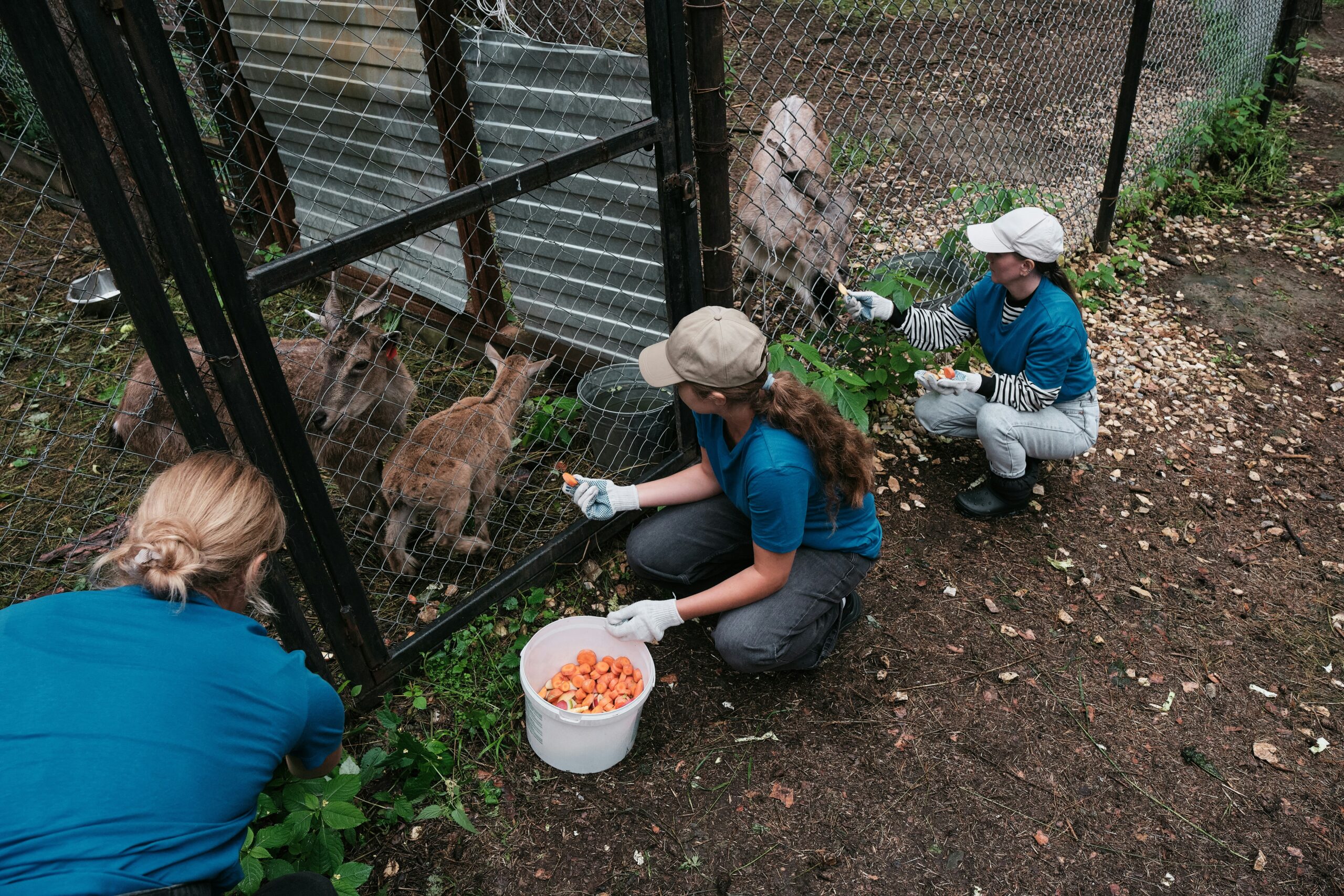
Every day, countless animals depend on humans for safety, compassion, and respect. Because of this deep responsibility, advocates for animal welfare work tirelessly to ensure that all creatures—big or small—are treated with dignity. Moreover, the movement for animal welfare continues to grow as more people recognize the emotional depth and intelligence of animals. This shift in awareness encourages communities to rethink how they interact with the environment and the beings who share it.
Equally important, the call to protect animals extends beyond simple animal care. It also involves educating the public, fostering empathy, and promoting humane treatment across all environments. As awareness increases, people become more willing to support rescue missions, donate to shelters, or even adopt abandoned pets. Consequently, the collective effort makes a powerful difference, paving the way for a more compassionate world.
The Heart Behind Advocacy
Animal welfare advocates come from all walks of life, yet they share one powerful trait: empathy. This empathy, when nurtured, becomes a driving force behind rescue efforts, campaigns, and educational programs. Additionally, many advocates develop a strong emotional connection with the animals they help, which motivates them to continue their mission even when challenges arise.
Furthermore, this heartfelt dedication often leads to lifelong advocacy. Whether rescuing injured wildlife or providing shelter for abandoned pets, these individuals demonstrate how meaningful small acts of kindness can be. Through their actions, they inspire others to step forward and support the cause, reinforcing the idea that every creature deserves a chance at a peaceful, fulfilling life.
Rescue Efforts that Change Lives
Animal rescue organizations play a crucial role in protecting creatures that cannot defend themselves. In many cases, animals are found in dangerous or neglectful conditions, and rescue teams act quickly to bring them to safety. Additionally, rescuers often provide medical treatment, emotional rehabilitation, and safe living environments to help animals recover and thrive.
At the same time, these organizations rely heavily on volunteers and community support. With the help of dedicated individuals, they can expand their reach and help more animals in need. As a result, rescue efforts not only transform the lives of animals but also strengthen communities by bringing compassionate people together.
The Power of Adoption
Choosing adoption over purchasing pets creates a lasting impact on animal welfare. Shelters across the country are filled with dogs, cats, and other animals longing for a second chance. Even so, many people are unaware that adopted animals often form powerful bonds with their new families because they finally feel safe. This emotional connection enriches the lives of both the animal and the adopter.
In addition, adoption reduces overcrowding in shelters and decreases the number of animals at risk of euthanasia. As more people embrace adoption, the cycle of abandonment and homelessness gradually weakens. Ultimately, this compassionate choice supports the broader mission of animal welfare and promotes responsible pet ownership.
Education as a Tool for Change
Education remains one of the most effective tools in improving animal welfare. Schools, community groups, and online platforms frequently share information about humane treatment, responsible pet care, and wildlife preservation. Consequently, people become more aware of the consequences of neglect, abuse, and environmental harm.
Likewise, educational initiatives empower younger generations to develop empathy and responsibility from an early age. When children learn to respect animals, they grow into adults who value compassion and ethical choices. Over time, this cultural shift helps create a society where kindness toward all creatures is the norm rather than the exception.
A Future Built on Compassion
The movement for animal welfare continues to gain momentum, thanks to the dedication of advocates, volunteers, and concerned citizens. With ongoing support, more animals will receive the protection and love they deserve. Additionally, advancements in veterinary care, shelter management, and public awareness further strengthen the chances of creating a safer world for all creatures.
Looking ahead, the future of animal welfare depends on collective action. Each person who chooses compassion—whether by adopting a pet, supporting a rescue organization, or simply speaking out against cruelty—helps shape a kinder world. Ultimately, by embracing empathy and responsibility, society can ensure that every creature has the chance to live a life free of suffering.